



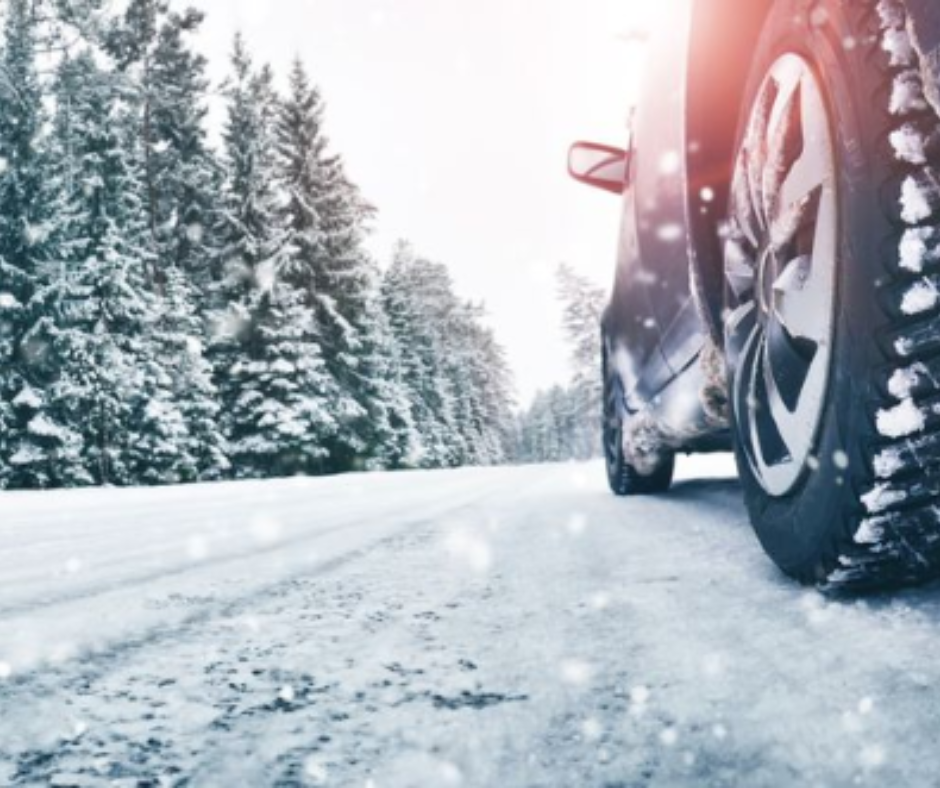
Winter brings challenges to every driver in Fenton, MO. Between icy roads, freezing temperatures, and sudden weather changes, your Chevrolet needs a little extra care to stay dependable all season long. Preparing your vehicle now protects key components, improves safety, and ensures your Chevy performs at its best even on the coldest mornings. Here’s a complete guide to help you get winter-ready.
Why Winterizing Your Chevrolet Is Essential
Winter conditions affect everything from your tires to your fluids. Cold temperatures can reduce battery performance, thicken engine oil, and lower tire pressure. On top of that, snow and ice require strong traction and reliable visibility.
Chevrolet vehicles are engineered for durability, but no vehicle is immune to the demands of a Midwest winter. A proper winter care routine ensures your Chevy is ready for slick roads, freezing rain, and frost-covered mornings throughout the Fenton area.
Key Chevrolet Winterization Tips
1. Check Your Tires for Winter Readiness
Your tires directly impact your ability to maintain control during snowy or icy conditions. Inspect tread depth to make sure it meets safe winter standards, and look for uneven wear or cracking.
Many Fenton drivers switch to winter tires for added grip on snow and ice. Even with all-season tires, cold air causes tire pressure to drop, which affects handling and fuel efficiency. Most Chevrolet models include a Tire Pressure Monitoring System (TPMS), but checking pressure manually during extreme temperature swings is still a smart habit.
2. Battery Maintenance in Cold Weather
Low temperatures can reduce a battery’s ability to hold a charge, making cold starts more difficult. Before winter hits, schedule a battery test to confirm it’s holding adequate voltage. If your battery is approaching the end of its lifespan, replacing it early can prevent inconvenient breakdowns.
Driving an electric or hybrid Chevrolet—such as the Bolt EV or Silverado EV—adds another layer of preparation. Preconditioning the battery while the vehicle is plugged in improves performance and driving range in cold weather.
3. Top Off and Switch to Winter Fluids
Fluids are some of the most important lines of defense against winter damage. Check your antifreeze level and confirm the mixture is designed for freezing temperatures. Replace windshield washer fluid with a winter-rated blend that resists freezing on contact.
Engine oil thickens as temperatures drop, making cold starts harder on your vehicle. If your owner’s manual recommends a winter-weight oil or seasonal change, now is the time to make the switch. Fresh oil also supports smoother performance during long periods of idling or short winter trips.
4. Inspect Your Wiper Blades and Defroster
Clear visibility is critical during snowstorms, sleet, or early morning frost. Inspect your wiper blades for streaking or stiffness, and consider upgrading to winter blades designed to push through snow and ice.
Test your defroster and heater before temperatures take a sharp dip. A fully functioning defroster prevents ice buildup on your windshield and keeps your line of sight clear.
5. Prepare an Emergency Kit
Even well-maintained vehicles can encounter unexpected winter situations. Keep an emergency kit in your Chevrolet stocked with essentials like a flashlight, jumper cables, a snow brush, a compact shovel, blankets, and a few non-perishable snacks. A small supply of sand or kitty litter can also help with traction if you get stuck on ice.
Schedule Your Chevy Winter Care Service Today
Winterizing your Chevrolet is one of the smartest steps you can take as temperatures drop around Fenton, MO. From checking your tires to refreshing essential fluids, a little preparation goes a long way in keeping your Chevy safe and dependable all season.
Get ahead of winter—schedule your Chevrolet winter care service with Jim Butler Chevrolet and give yourself peace of mind every time you turn the key. Stay safe, stay warm, and enjoy the season with confidence.
Connect with us

